Why Building Permit Approvals Get Delayed in Ontario: A Structural and Practical Guide
Building permit delays in Ontario usually begin before municipal review starts. A package may look complete, but if the drawings do not clearly show the structural scope, load path, existing conditions, or code basis, the reviewer will issue comments instead of approval.
The current Ontario Building Code adopts the National Building Code of Canada 2020 with Ontario amendments. Structural submissions must coordinate with applicable Part 4 or Part 9 requirements and relevant CSA standards, including CSA O86, CSA S16, CSA A23.3, and CSA S304.
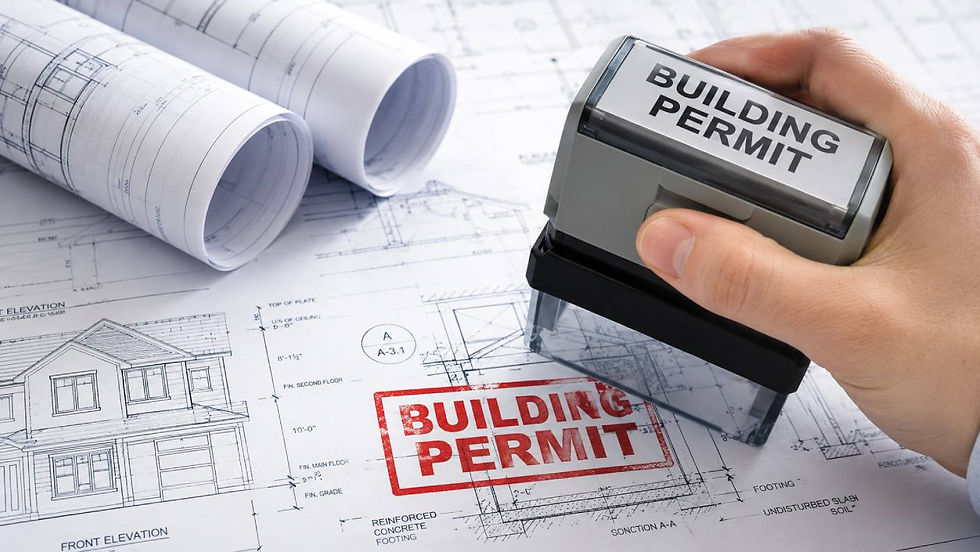
Incomplete Structural Drawings and Permit Approval Delays
One common cause of delay is a drawing set that does not fully explain the work. This happens with wall removals, additions, decks, underpinning, garage conversions, and commercial alterations in Toronto, Mississauga, Vaughan, Brampton, Hamilton, Ottawa, and Barrie.
Typical missing items include:
Beam size, grade, and material
Post, footing, and bearing details
Joist direction and framing changes
Connection details and fasteners
Foundation or slab support notes
These permit approval delays usually happen because the reviewer cannot confirm whether the proposed work meets the Ontario Building Code from the submitted drawings alone.
Unclear Load Path and Calculations
Permit reviewers need to see how roof, floor, wall, and lateral loads are transferred to the foundation. Delays occur when drawings show a new opening or addition but do not explain how the new loads are supported.
For example, removing a load-bearing wall in an Ontario house may require more than a beam size. The review may also need post loads, footing capacity, bearing verification, lateral restraint, and framing compatibility.
At Parsways, structural review often starts by checking whether the load path is visible on the drawings before submission, because unclear load transfer is a frequent source of municipal comments.
Existing Conditions Not Verified
Renovation permits are often delayed because the design relies on assumed conditions. Older houses in Hamilton, Ottawa, Toronto, and smaller Ontario towns may include undocumented renovations, shallow foundations, or mixed materials.
When existing conditions affect structural safety, the drawings should identify what was verified and what must be confirmed before construction.
Structural issue | Practical permit impact |
Unknown joist span or direction | Beam sizing may not be accepted |
Unconfirmed footing size | Post loads may require redesign |
Existing cracks or settlement | Foundation review may be requested |
Missing site dimensions | Drawings may be returned |
Selective opening, site review, or clear contractor verification notes can reduce repeated resubmissions.
Zoning and Design Coordination Gaps
Not every delay is caused by engineering. A structurally adequate design can still stall if zoning, architectural drawings, and structural drawings do not match. This is common for additions, garages, decks, and secondary suites across Ontario.
Coordination problems include:
Different dimensions between plan sets
Posts shown in unusable locations
Roof heights not matching elevations
Foundation plans conflicting with grading
When the package contradicts itself, the examiner cannot approve it confidently.
General Review and Responsibility Forms
Some projects require professional general review during construction. Delays can occur when commitment forms, sealed drawings, or responsibility statements are missing.
General review is not full-time inspection. It is a professional review at appropriate construction stages to assess general conformity with the permit drawings. The scope should be clear before permit issuance, especially for structural steel, underpinning, larger additions, and commercial work.
Late Changes After Submission
Changing beams, layouts, openings, or foundation details after submission can restart part of the review. Even small structural revisions may affect architectural, mechanical, zoning, or fire-safety coordination.
A practical approach is to freeze the structural scope before applying. Contractors and owners should confirm openings, stair locations, equipment loads, and framing changes before municipal comments arrive.
Conclusion
Permit delays in Ontario often come from unclear structural drawings, missing load-path information, unverified existing conditions, and coordination gaps. A complete, code-aware package helps reviewers approve the work with fewer comments.
At Parsways Inc., we provide structural permit drawings, calculations, and review support to help Ontario projects move through approval with clear and practical structural documentation.


