Featured Projects
Structural Solutions Across Ontario and British Columbia
Explore a selection of Parsways’ engineering work across residential, commercial, and industrial sectors. From site inspections and condition assessments to detailed design and analysis, these projects reflect our commitment to safety, code compliance, and practical, dependable solutions.

Independent inspection and certification of a temporary steel shoring system supporting platform modification.
.jpg)
Structural design for an elevated fall fair announcers booth with timber framing, concrete piers, stairs, roof framing, and lateral bracing.
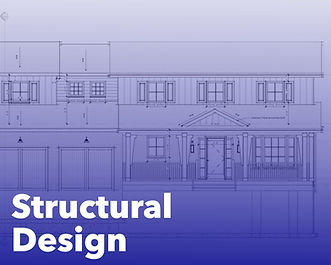
Structural design for a residential addition and renovation, including foundations, beams, columns, floor framing, roof framing, and new openings.
.jpg)
Commercial structural assessment of an existing steel mezzanine, verifying framing capacity and code compliance under OBC requirements.

Structural design for a residential garage featuring a reinforced slab-on-grade foundation, frost protection, and OBC 2024 compliant construction.

Structural design for residential basement underpinning, including foundation stabilization and staged excavation detailing.

Residential kitchen renovation structural design with steel beam, LVL header, glulam posts, concrete pads, and OBC 2024 permit drawings.

Full structural and foundation design for a basement walkout and retaining wall system, ensuring safe load transfer and long-term stability.

Structural assessment of roof-supported hoists, reviewing load paths and establishing safe operating limits.

A stamped structural design was prepared for a residential addition involving new foundation walls, roof framing, and existing-building connections.
.jpg)
A structural design was completed for a new entrance porch, including foundation, steel framing, wood joists, and ledger connections.
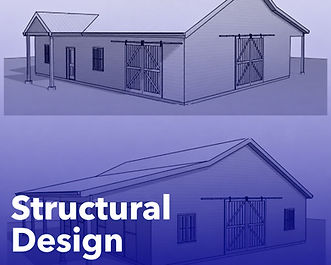
Structural design review for a horse barn, including wood headers, beams, and sonotube pier foundations for permit support.
.jpg)
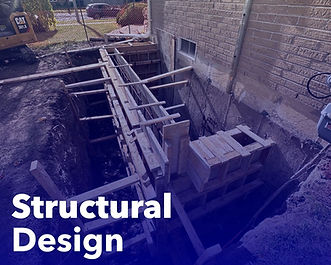
Structural design and permit drawings for a basement walkout and interior layout renovation.
Included fire separation and insulation assemblies.

Structural inspection and sign-off review verifying anchorage, supports, and compliance with approved drawings.

Structural design of temporary shoring and staged underpinning for a daycare facility, compliant with OBC and CSA standards.

Structural design of a steel-framed storage loft and vaulted roof system for a detached garage, ensuring OBC Part 4 compliance.

Structural design for warehouse interior alterations, including CFS demising wall framing, washroom support, CMU infill, and connection details.
.jpg)
Residential addition with new basement and ground-floor framing. The work included foundation tie-ins, LVL beams, headers, and lintels.

Evaluation of protective steel bollards, verifying impact resistance and overall structural performance.

Structural and foundation engineering for a new attached covered patio, including layout planning and secure connection detailing.
.jpg)
Structural design for a custom residence in Ontario including reinforced concrete foundations, steel beams, LVL framing, and OBC-compliant loads.

Complete structural and foundation engineering for a new sunroom addition, seamlessly integrated with the existing home.

Structural inspection and review of modified steel platforms and scaffold stair systems to ensure safe access and reliable performance.
.jpg)
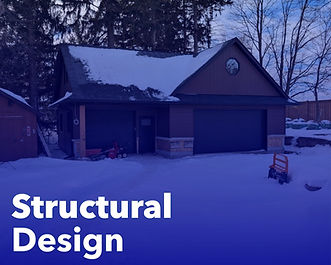
Structural design of an engineered slab-on-grade and frost-protected shallow foundation for steel-framed garage construction.
.jpg)
Structural design for a new exterior side entrance. Scope included lintel framing, stair footing, and OBC-compliant guard detailing.

Structural design and fire separation coordination for a basement additional residential unit, developed to meet OBC requirements.

Structural inspection and conformance review of catwalk framing, guardrails, and pipe supports to confirm proper installation and load integrity.

Engineered temporary formwork and shoring design for a new generator pad foundation, compliant with the Ontario Building Code.

Structural design for a residential addition including foundation design and integration with the existing structure.

Structural design of a custom residence integrating timber framing with engineered wood systems.

Structural design of a steel pile marine foundation, crosser beams, and stringers for a future boathouse.
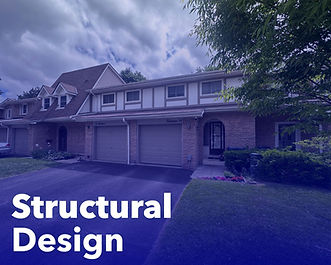
Structural assessment and redesign converting one bedroom into two, including safe wall removal and new partition layout.

Structural Building Condition Assessment identifying basement moisture and envelope deficiencies.

Structural design of an elevated cedar deck, including framing optimization and load path coordination.

Structural design for an agricultural storage building with OBC-compliant foundations, tall wall framing, LVL headers, and wind posts.

Structural assessment and retrofit of existing residential decks in Newmarket, ensuring code compliance and safe framing upgrades.

Structural design for a residential addition with an engineered ICF-to-existing foundation tie-in, supporting OBC-aligned permit requirements.